
At our TMJ dental office in Columbia, we help many patients who struggle with chronic jaw pain, worn teeth, headaches, and other symptoms that stem from an imbalanced bite. TMJ disorders can create a cycle of muscle strain, joint stress, and tooth damage that worsens over time. Our goal is to identify the cause of this bite damage, protect your teeth, and restore healthy jaw function through personalized care planned by Dr. Adam Hahn.
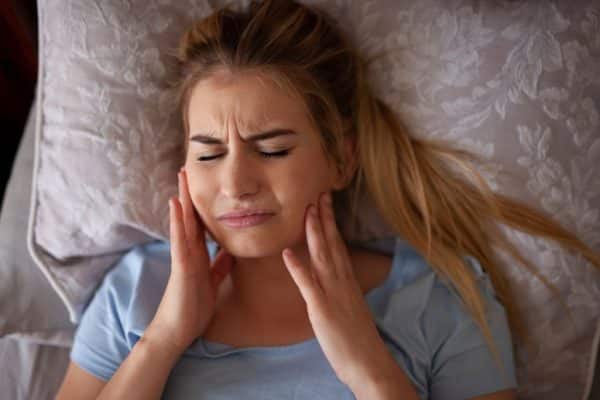
Understanding TMJ and Bite Damage
TMJ disorders do more than affect the jaw joint. They can also change the way your teeth come together, leading to wear, fractures, and discomfort that impacts daily life. Bite damage often develops gradually, and many people do not realize it is connected to TMJ dysfunction until symptoms begin to overlap.
During your evaluation, we assess both the visible signs of bite damage and the underlying causes so your treatment plan addresses comfort, function, and long-term stability.
How TMJ, Bruxism, and a Bad Bite Damage Your Teeth
TMJ disorders and clenching or grinding often occur together, creating both pain and visible impact on the teeth. When the bite is imbalanced, the body works harder to find a comfortable position, leading to grinding patterns that wear down tooth structure.
Worn, Chipped, or Cracked Teeth
Many patients visit us with worn or chipped teeth and assume the changes are caused by age or stress. In reality, these concerns often signal underlying TMJ issues. When you grind your teeth, enamel gradually flattens, edges chip, and small cracks form. These changes can increase sensitivity, affect chewing, and weaken the tooth over time.
A worn smile may also change facial appearance by reducing tooth height and altering how the jaw rests.
Changes in Tooth Shape, Length, and Bite
As bite damage progresses, the teeth may look shorter or irregular. You might notice uneven chewing surfaces, flattened edges, or sharp corners where chips have occurred. These changes can shift your bite, which places additional strain on the joints and muscles and contributes to a repeating pattern of tension and discomfort.
Restorative Options to Repair Bite Damage
Repairing worn or chipped teeth is a crucial step in enhancing function and maintaining long-term oral health. Depending on your needs, we may rebuild damaged teeth with crowns, veneers, or bonding. These restorations help restore proper tooth height, allowing us to support a more balanced bite that complements your TMJ treatment.

Bruxism – Teeth Grinding That Harms Your Bite
Bruxism refers to the involuntary grinding and clenching of teeth. It often occurs at night, although many patients clench their teeth during the day without realizing it. This repeated pressure places significant stress on the jaw joints and muscles.
Daytime and Nighttime Bruxism
Nighttime bruxism is more common and typically happens during lighter stages of sleep. Daytime clenching often occurs during concentration or stressful moments. Both contribute to tooth wear and TMJ strain.
Common Signs You Are Grinding Your Teeth
You may grind your teeth even if you have never heard yourself doing it. Common warning signs include:
- Morning jaw soreness
- New or increasing headaches
- Tooth sensitivity
- Flattened or sharp tooth edges
- Jaw fatigue or tightness
These symptoms often indicate a bite imbalance or muscle overuse connected to TMJ concerns.
Why Bruxism and TMJ Often Occur Together
When the bite does not align comfortably, the body may grind or clench to find a more stable position. Over time, this habit overloads the muscles and joints, creating symptoms that reinforce each other. Addressing both bruxism and underlying TMJ issues helps reduce pain and protect your teeth.
Scalloped Tongue and Other Signs of a Bad Bite
Some signs of bite imbalance do not involve the teeth at all. A scalloped or rippled appearance on the edges of the tongue often indicates that it has been pressed repeatedly against the teeth due to limited space, airway factors, or clenching habits.
What Is a Scalloped Tongue?
A scalloped tongue develops when the edges of the tongue take on a wavy or indented pattern. This happens when the tongue presses against the teeth frequently, leaving visible impressions along its surface.
How a Bad Bite or Airway Issues Contribute to Scalloped Tongue
Scalloped tongue is often linked to bruxism or an imbalanced bite. When the jaw muscles tighten, the tongue may push outward or upward, limiting its space. Airway concerns may also contribute, which is why a thorough evaluation helps determine the correct cause. Once medical factors are ruled out, improving the bite and jaw position often reduces tongue scalloping and related discomfort.
TMJ Injury and Bite Changes After Trauma
Trauma can affect the jaw joints in subtle or dramatic ways. TMJ injuries may occur from accidents, sports impact, dental trauma, or even whiplash. These events can alter how the jaw opens, closes, and rests, resulting in long-term changes to the bite.
Macro Trauma – Accidents and Sports Injuries
A direct blow to the face, rapid neck movement, or impact from a collision may injure the TMJ. Patients often experience joint pain, clicking sounds, or sudden changes in the bite following an accident.
Micro Trauma – Everyday Stress on Your Jaw and Bite
Micro trauma refers to the smaller but repetitive behaviors that strain the TMJ over time. These may include posture-related jaw tension, chronic clenching, or habits that consistently overload the jaw muscles. Even without a major injury, micro trauma can gradually shift your bite and create long-standing symptoms.
When to Seek Care After a Jaw or Head Injury
If you experience new jaw pain, headaches, or changes in your bite after an injury, an evaluation is important. Early treatment can help prevent worsening symptoms, tooth wear, and long-term joint dysfunction.
Our Diagnostic Approach to TMJ and Bite Damage
Treating TMJ and bite damage begins with a complete understanding of how the jaw, muscles, and teeth work together. We combine detailed examination with advanced tools to identify the root of your symptoms.
Comprehensive TMJ and Bite Evaluation
During your consultation, we review your symptoms, assess TMJ function, and examine tooth wear patterns. This helps us identify signs of clenching, grinding, and bite misalignment that may be contributing to discomfort.
Advanced Technology for Accurate Diagnosis
We may use muscle evaluation, jaw tracking, imaging, or relaxation techniques like TENS therapy to better understand how your jaw functions at rest. These tools help us determine your optimal jaw position and create a personalized plan to support comfort and stability.
Treatment Options to Protect Your Bite and Relieve TMJ
Once we understand the cause of your symptoms, we recommend treatment that supports both relief and prevention of further bite damage.
Custom Bite Splints and Oral Appliances
Many patients benefit from a custom bite splint, which helps guide the jaw into a healthier position and prevents further grinding. These appliances reduce strain on the muscles and joints while protecting teeth from additional wear.
Neuromuscular Bite Adjustment and Reconstruction
When teeth are significantly worn or chipped, we may recommend restorative treatment to restore the tooth’s shape and height. By restoring the bite after the jaw is stabilized, we help ensure your new smile supports long-term comfort.
Supportive Therapies and Lifestyle Changes
Additional therapies such as muscle relaxation, posture correction, or stress management may complement your treatment. These approaches help reduce clenching triggers and support ongoing healing.
TMJ and Bite Damage FAQs
We have included answers to common questions to help clarify how TMJ and bite issues develop and how they can be treated effectively.
Schedule Your TMJ and Bite Damage Consultation in Columbia, SC
If you are experiencing worn teeth, jaw pain, headaches, or signs of bite imbalance, we are here to help. Contact Smile Columbia Dentistry at (803) 781-9090 or click the button below to schedule an evaluation and learn how we can restore comfort, protect your bite, and support long-term oral health.